
Date uploaded: 2021-08-27 13:48:00
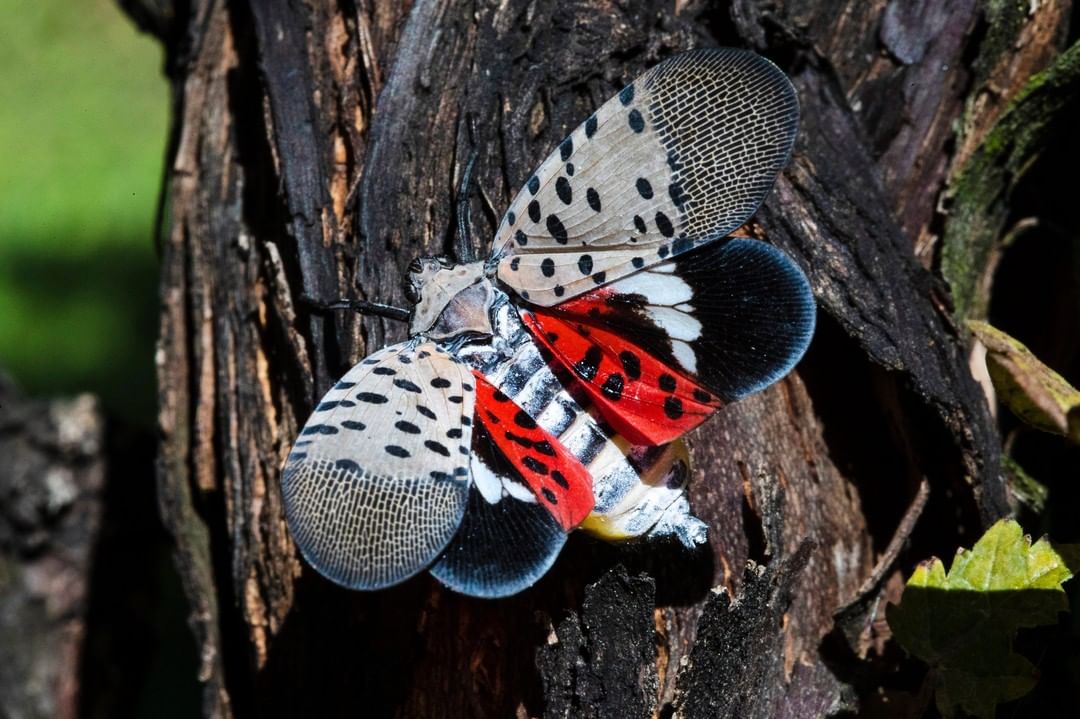
This is a spotted lanternfly. If you see one, kill it.
Though it may seem like a pretty moth worthy of this Instagram post, it's actually an invasive species that can wreak havoc on trees, plants and other landscapes, resulting in millions of dollars in damages and hundreds of lost jobs every year. So if you see one, health officials want you to smush it on sight.
"The only good ones are dead ones," Amy Korman, a horticulture educator for Penn State Extension, said.
The spotted lanternflies secrete a sticky material known as honeydew, which is very high in sugar. It is a substrate for mold, and when it gets on plants, it prevents them from photosynthesizing which then leads to the plants dying. The mold these lanternflies leave can end up in backyards and decks and can attract numerous other bugs.
"This insect has the potential to be such a significant economic burden," Korman said. "We're still working on ways to manage this insect. We haven't cracked the nut and how to really manage populations of this insect very well."
These lanternbugs originated from China, and George Hamilton, department chair of entomology at Rutgers University, believes they landed in the U.S. via a crate coming from the Asian country. The invasive insects – which actually don't fly but rather are leafhoppers – were first spotted in Pennsylvania less than 10 years ago. Now, they can be seen throughout the northeast and mid-Atlantic, from the five boroughs in New York City to parts of Indiana.
📸: A 2019 file photo of a spotted lanternfly at a vineyard in Kutztown, Pa., via @apnews.