
Date uploaded: 2022-10-15 14:25:32
Shacoma Wilton-Waddell always thought she’d be a homeowner by now.
Instead, the 41-year-old clinician at a domestic abuse shelter in Tucson, Arizona, was forced to downgrade from a two-bedroom to a one-bedroom rental apartment last month.
“It has been a nightmare. I have moved multiple times. I'm seeing some of the same units in the same properties rent for double the price, and nothing has changed as far as the aesthetic,” she said.
For Wilton-Waddell and millions of other renters across America, soaring housing costs have them not only reassessing their housing situation but also their political allegiance just weeks before the Nov. 8 midterm election that will determine which party controls Congress and governor's mansions across the nation.
Politicians could have helped, she said, by pushing for caps on rental increases when corporations began buying up and renting apartment complexes and increasing rents so drastically that tenants had to move out because they could no longer afford it.
Shelter costs, which make up the largest component of the Consumer Price Index — the leading measure of inflation — rose 0.7% in September, the same as in August and the biggest monthly jump since 1991.
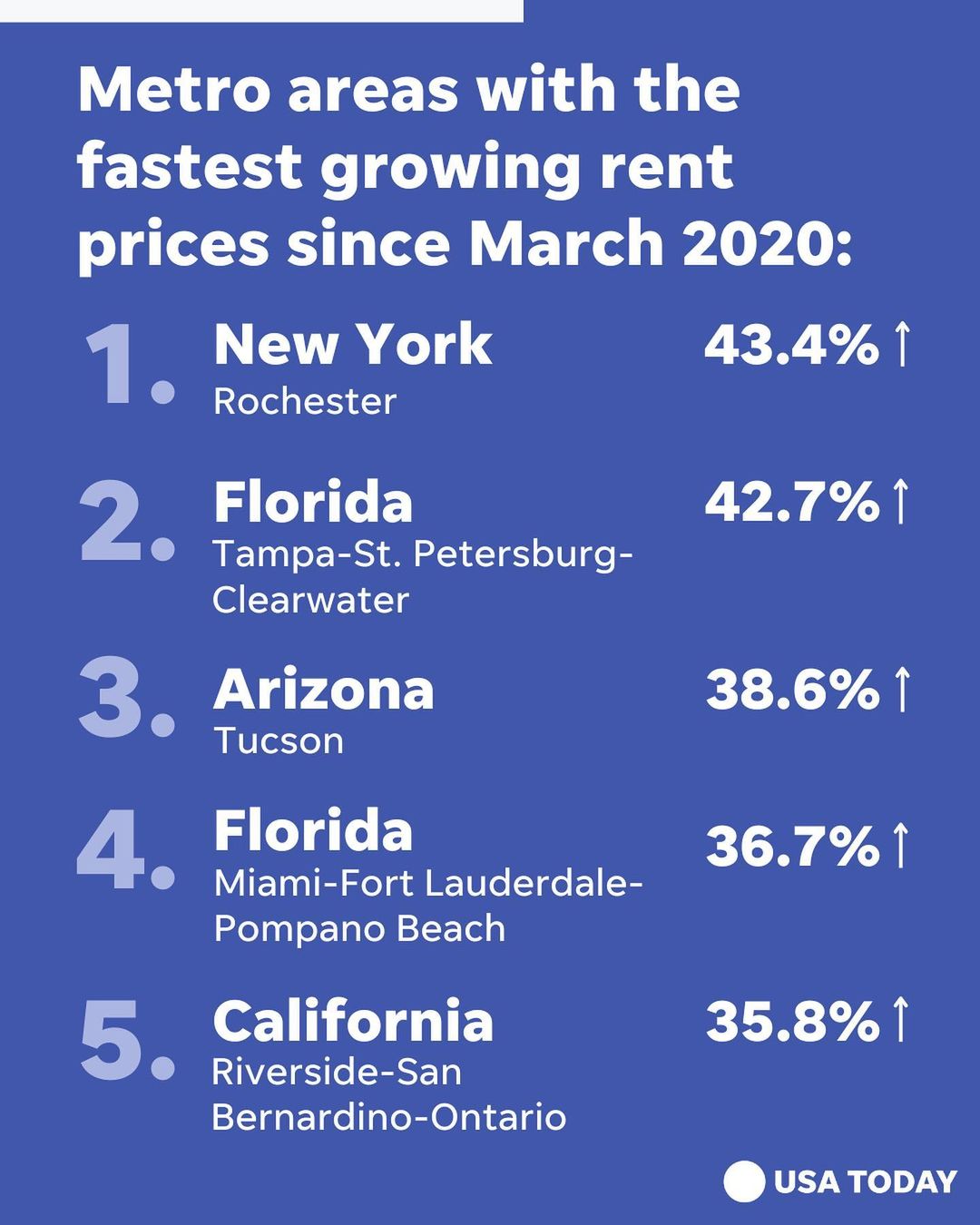
In Tucson, where Wilton-Waddell lives, rents have risen by 39% since March 2020, the third fastest metro-level rent growth in the country, according to data from Apartment List. In fact, fifteen metros nationwide have experienced above 30% rent growth since the start of the pandemic — and renters are struggling.
To read more about how renters could influence this year's elections, tap the link in our bio.
#2022midterms #congress #rent #housing