
Date uploaded: 2022-08-24 15:07:44
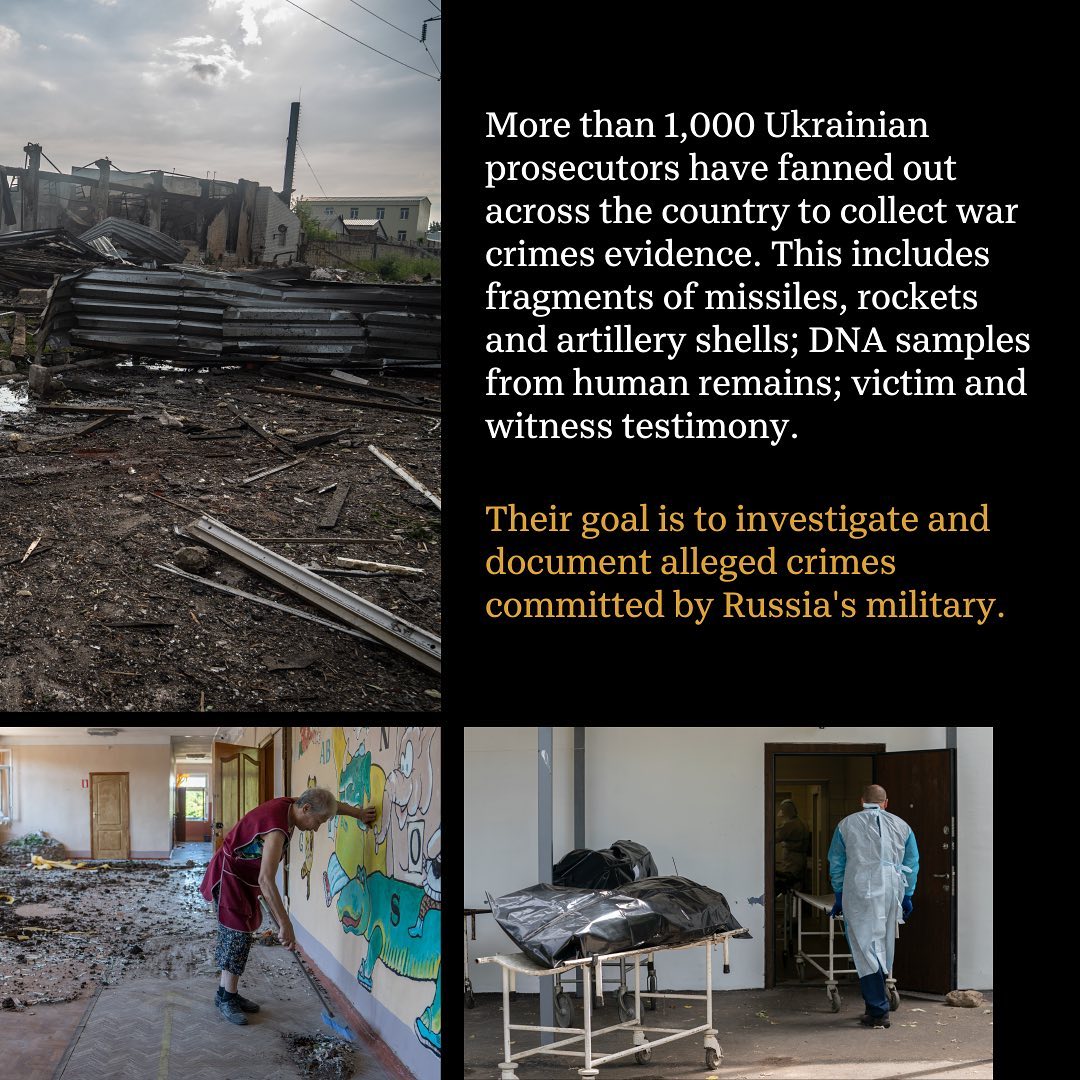
USA TODAY spent weeks following investigators to the scenes of the alleged crimes, revealing that pursuit of justice in wartime is far from clear. Ukraine's investigators balance their limited training against a seemingly unlimited wave of cases. Public pressure for convictions bumps up against international scrutiny of their justice system.
The investigators themselves must improvise; there is no hard and fast blueprint for this kind of work in an active war zone, where more artillery may descend even as crews are photographing victims and diagramming crime scenes.
Sometimes bodies are exhumed. Soil samples taken. Small pieces of debris are analyzed. In some cases, sophisticated laser scanners are deployed to build up a digital picture of crimes scenes. Eventually, cellphone data or radio intercepts may be located.
For now, the effort is focused on the Russian military's everyday violence against civilians as opposed to the higher-stakes effort to build a case against Russia's president, Vladimir Putin.
"We are trying our best to manage everyone's expectations," said Oleksii Boniuk, who chairs Ukraine's recently launched so-called Mobile Justice Teams, rapid-reaction war crimes investigation units that are housed inside the country’s prosecutor general's office.
📷: @photojeskos
To read more, tap the link in our bio. #ukraine #russia