
Date uploaded: 2022-07-18 16:36:25
A child's ability to read is a key indicator of the likelihood they will graduate high school. Further evidence connects low literacy with the likelihood an individual could end up in prison — and keep returning.
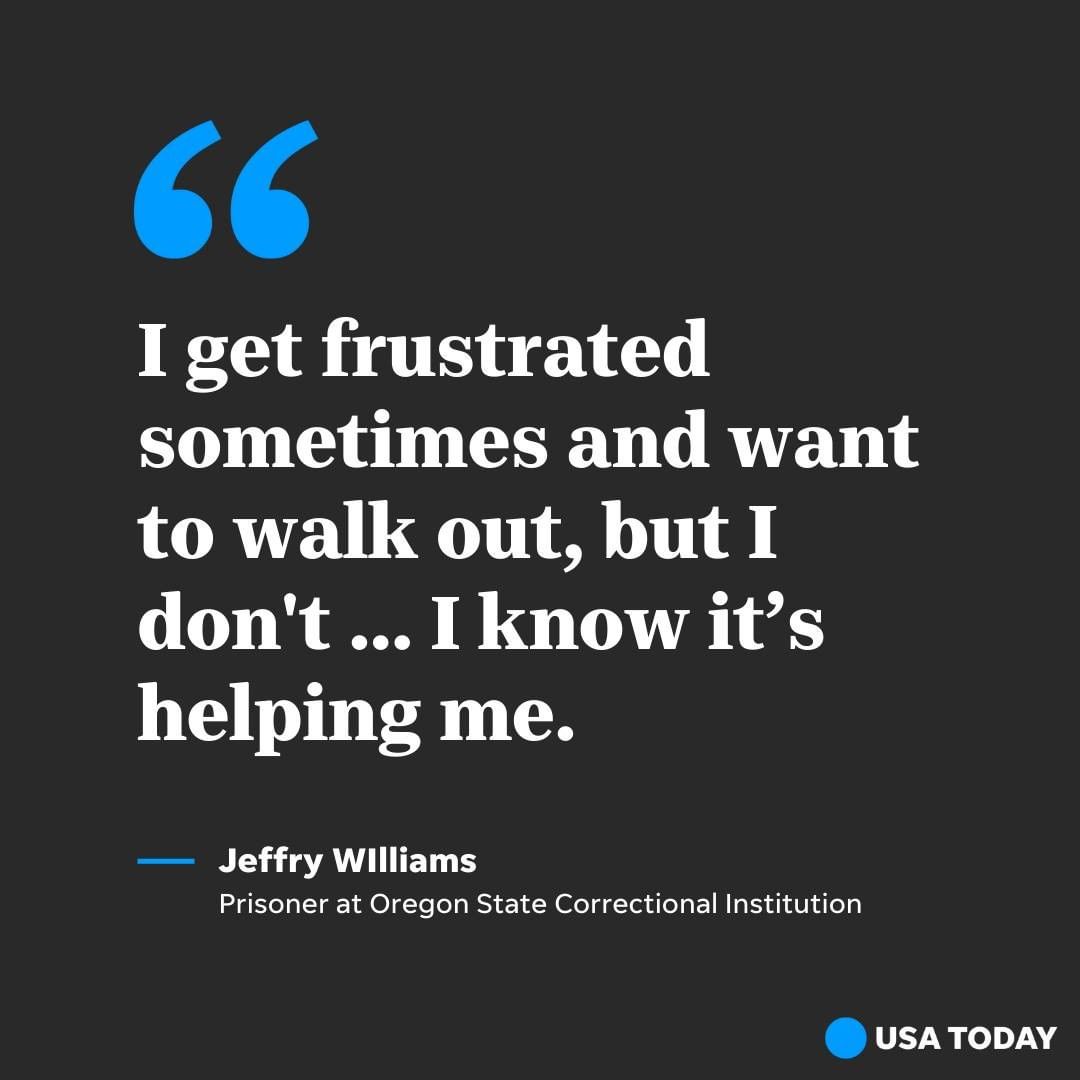
Nationwide, an estimated 70% or more of incarcerated people can't read at the fourth-grade level. Prison education advocates in Oregon are pushing for change in the state legislature. They want more class options, for example, as well as easier access to higher education in and after prison.
Those who complete educational programs while in prison are less likely to return and are less likely to engage in violence during incarceration. U.S. Department of Justice studies also show the positive impact these programs have when formerly incarcerated individuals return to society, including a higher chance of being gainfully employed.
“A lot of these folks have been in the criminal justice system since they were young children,” criminal justice reform advocate Julianne Jackson of Salem, Oregon, said. “So, those cute little folks that we should have taught to read before? They're adults now. And they still deserve that opportunity. They still deserve the opportunity to do better.”
Read more by clicking the link in our bio.
📸: Brian Hayes, Salem Statesman Journal