
Date uploaded: 2022-06-25 22:22:48
From the Me Too movement to the murder of George Floyd, pressure has increased on overwhelmingly white and male corporate boards to address historic racial and gender inequities.
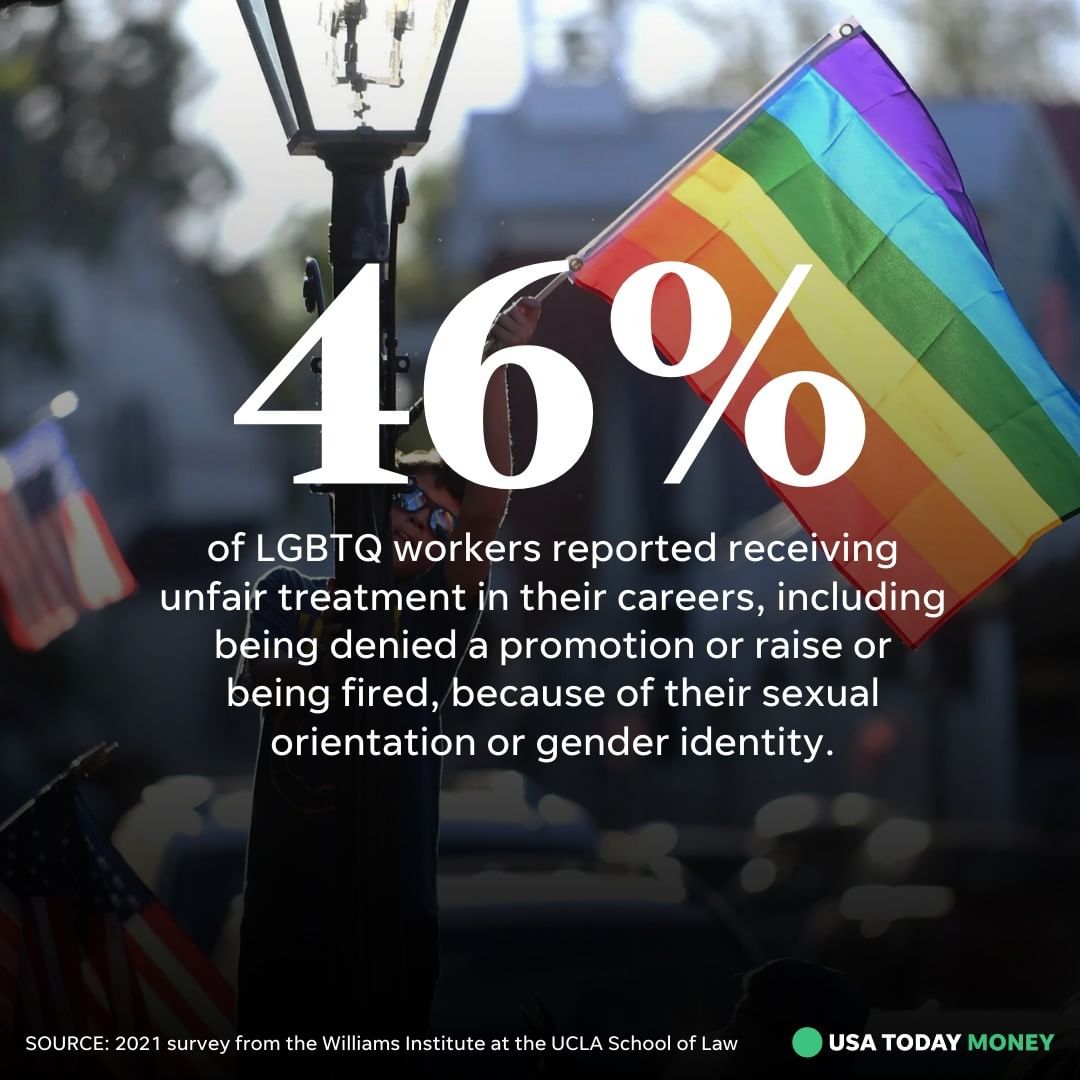
In 2020, the Supreme Court ruled that a landmark civil rights law protects gay and transgender workers from workplace discrimination.
But the Equality Act – legislation that would extend civil rights protections to ban discrimination on the basis of sexual orientation or gender identity – has stalled in Congress for decades as conservatives spar over gay and transgender rights.
Few companies encourage self-reporting or track LGBTQ representation at the board level. There are few openly gay leaders – and even fewer gay people of color – serving on corporate boards, according to a USA TODAY analysis of information collected by data firm DiversIQ.
While all the companies in the S&P 500 disclose at least some racial, ethnic or gender data about board members, just 128 disclose whether they have directors who identify as LGBTQ, the analysis found.
Of the 128 S&P 500 companies that disclose LGBTQ representation on boards, just 46 had one LGBTQ member and five had two. Most had none at all, the USA TODAY analysis of 2022 data shows.
Living and working in some areas of the country force executives to weigh whether it’s safe to be their authentic selves.
Maggie Lower, chief marketing officer of Hootsuite and one of Grindr’s new board members, says she’s humbled and saddened by how many people approach her and say: “This is the first time I have ever met a lesbian C-level executive.”
“If we really want to bring the best forward in our society and in our culture, we have to have more people believing that they can contribute at the highest levels of companies so that we get the best and most diverse thinking and the best and most competitive outcomes,” Lower said. “You can’t do that without including LGBT top talent.”