
Date uploaded: 2022-05-11 15:27:38
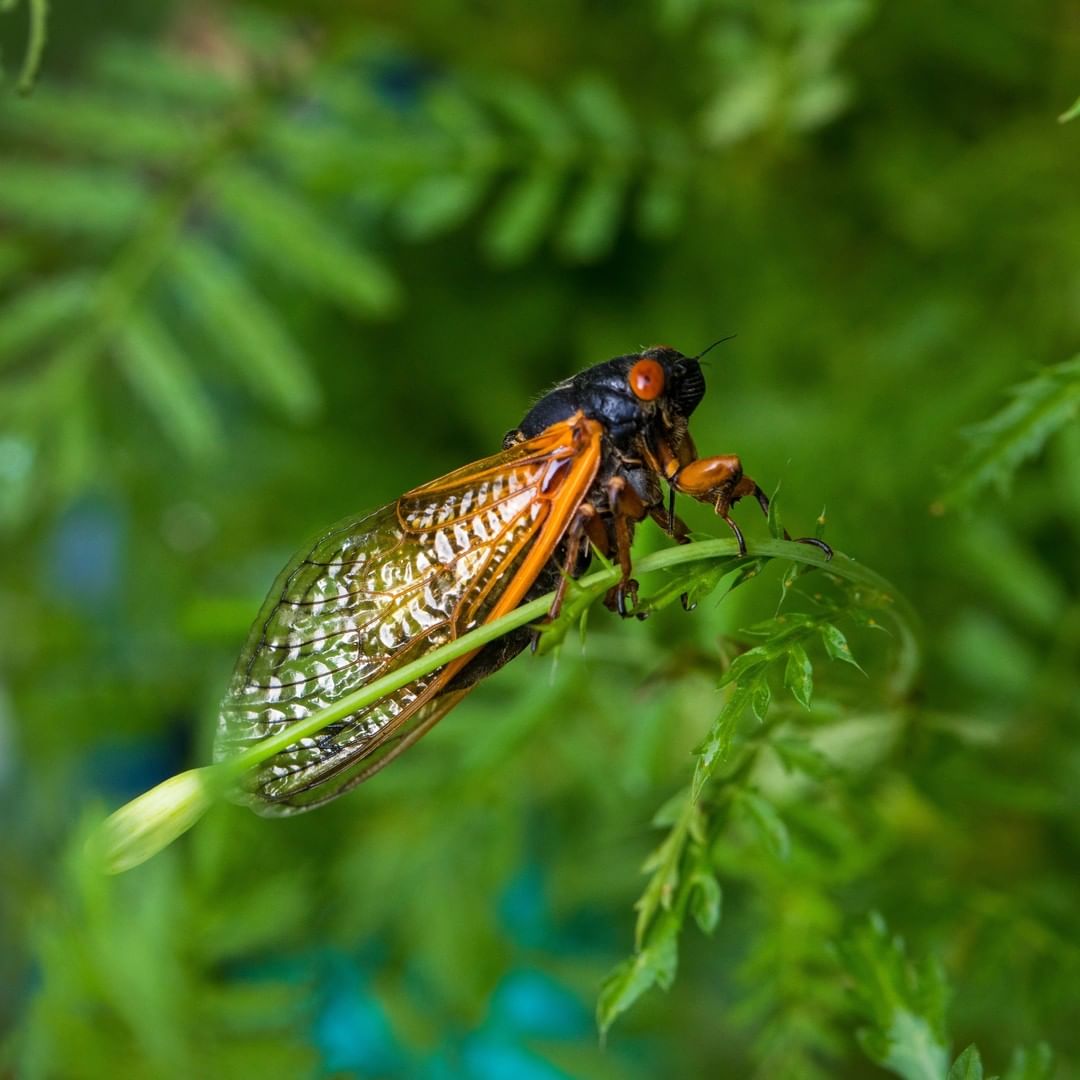
A year after billions of Brood X cicadas emerged from a 17-year slumber, a few stragglers may crop up this month.
It's not uncommon for a small number of Brood X cicadas to emerge after 18 years, Gene Kritsky, a professor, entomologist and cicada expert at Mount St. Joseph University said.
But why are they coming out now? The emergence has to do with hitting the right soil temperatures, and southern states are usually the first to reach the critical soil temperature exceeding 64 degrees.
"It is not unusual to have a few of these late arrivals," Kritsky said.
The first cicadas may have already started emerging in late April and early May in some areas. By mid-May, they could emerge in Southern Indiana, Ohio and Maryland and a week later in Northern Indiana, Pennsylvania and New Jersey.
They're often not noticed by humans because they're quickly eaten by birds or other predators, Kritsky said, but they could be spotted over the next few weeks in Virginia, Washington, DC, Maryland, Ohio, Kentucky, Illinois and Indiana.
Most people will see one to two Brood X cicadas, Kritsky said, "nowhere near what was around last year."
"It will be like looking for a four-leaf clover," he added.