
Date uploaded: 2022-03-24 15:20:15
Tiffany Clark was eight months pregnant when a child protective investigator contacted her in January 2019 in response to a tip called in to Florida’s abuse hotline. Clark told the investigator the truth.
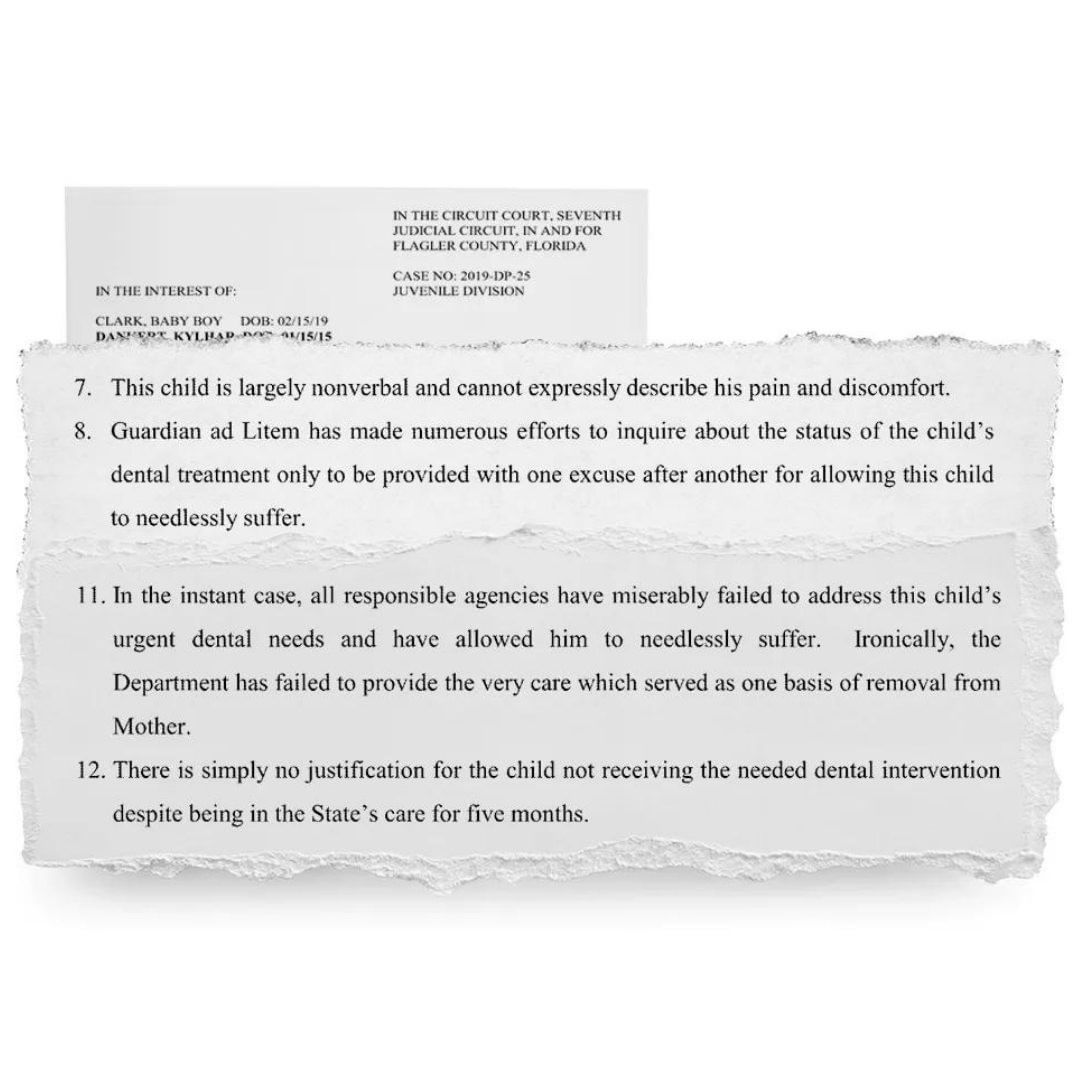
Her first son, Kylhar, showed signs of severe autism. At 4, he still wore diapers, fed from a bottle and said little more than “Mama.” He dashed out of unsecured doors, flailed on the floor in frustration and chewed on his hands with deteriorating teeth that were tough to keep clean.
On top of that, Clark was homeless, spending nights with family and friends, at cold-weather shelters or in hotel rooms or borrowed cars. A Medicaid driver transported her and Kylhar each morning to a clinic where Clark received her prescribed daily dose of methadone – the medication-assisted treatment for opioid use disorder that restored a sense of normalcy to her life.
Clark was overwhelmed, she told the investigator. She wanted to be a good mother and needed help. She wouldn’t get it from the state of Florida.
When she applied for government aid, Clark was told that emergency cash assistance came with a volunteer requirement. No one from the state Department of Children and Families offered her housing, babysitting services or cash to pay for anything she needed to try to navigate the challenges of motherhood.
Instead, three weeks after her baby was born, the department accused the Palm Coast mother of neglect and took custody of both boys. Then they paid foster families each roughly $500 a month to care for her children.
Families like Clark’s are increasingly in the crosshairs of a child welfare agency that shifted its focus eight years ago from family preservation to protecting kids at all costs.
Reporters at USA TODAY spent two years analyzing data and interviewing families, insiders and advocates, revealing how overwhelmed state officials put nearly 200 children into the arms of abusers, and how the system is stacked against battered women and downplays accusations against foster caregivers that when made against p