
Date uploaded: 2022-02-22 17:45:16
People of color have abortions at the highest rates in the nation. If access to abortion is severely restricted or banned, these Americans will likely have the hardest time finding ways to end unwanted pregnancies or to raise children they cannot afford or didn't want.
Many people of color already have a difficult time finding a provider for an abortion and paying for the procedure because of issues of systemic racism and discrimination. They are less likely to have access to quality health care and contraceptives. They're also much more likely to live in neighborhoods where jobs and education opportunities are scarce.
Some who have had abortions said they were supported by friends and family. Others had to do it all alone. Some used credit cards or had to travel across state lines to find a provider.
One thing is true for all of them: Having an abortion changed the course of their lives.
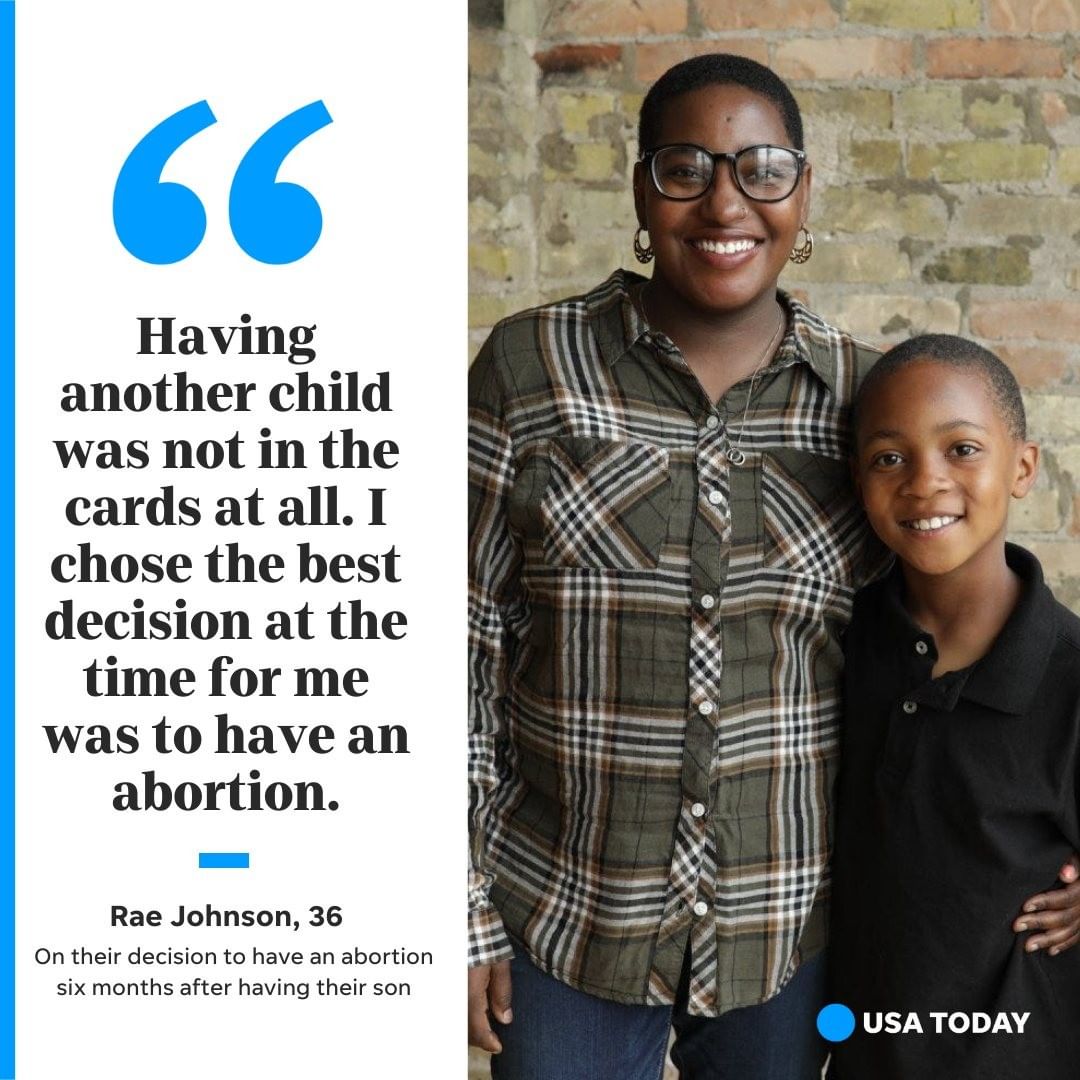
“The national debate over abortion rights should be centered not on abortion but what it takes to raise a child outside of the womb,” says Rae Johnson, 36, who had an abortion six months after giving birth to their son.
"I did it for my son," Johnson said. "It provided me an opportunity to slow down in my life and build wealth and savings that I hope will impact my son in the future."
Tap our link in bio to subscribe to read the full story. And if you haven’t subscribed, we are offering two months free if you sign up today.