
Date uploaded: 2022-02-05 22:15:07
The thousands of overseas visitors who have converged on China this month from dozens of countries for the Beijing Winter Olympics could complicate the country's efforts to remain substantially free of COVID-19 and its highly transmissible and faster-spreading omicron variant.
Last summer's Olympic Games in Tokyo took place in a COVID-19 "bubble" to minimize cross-infections. Fans were barred from attending events, and overseas participants were restricted to designated hotels, the media center or competition venues during their first 14 days in the country.
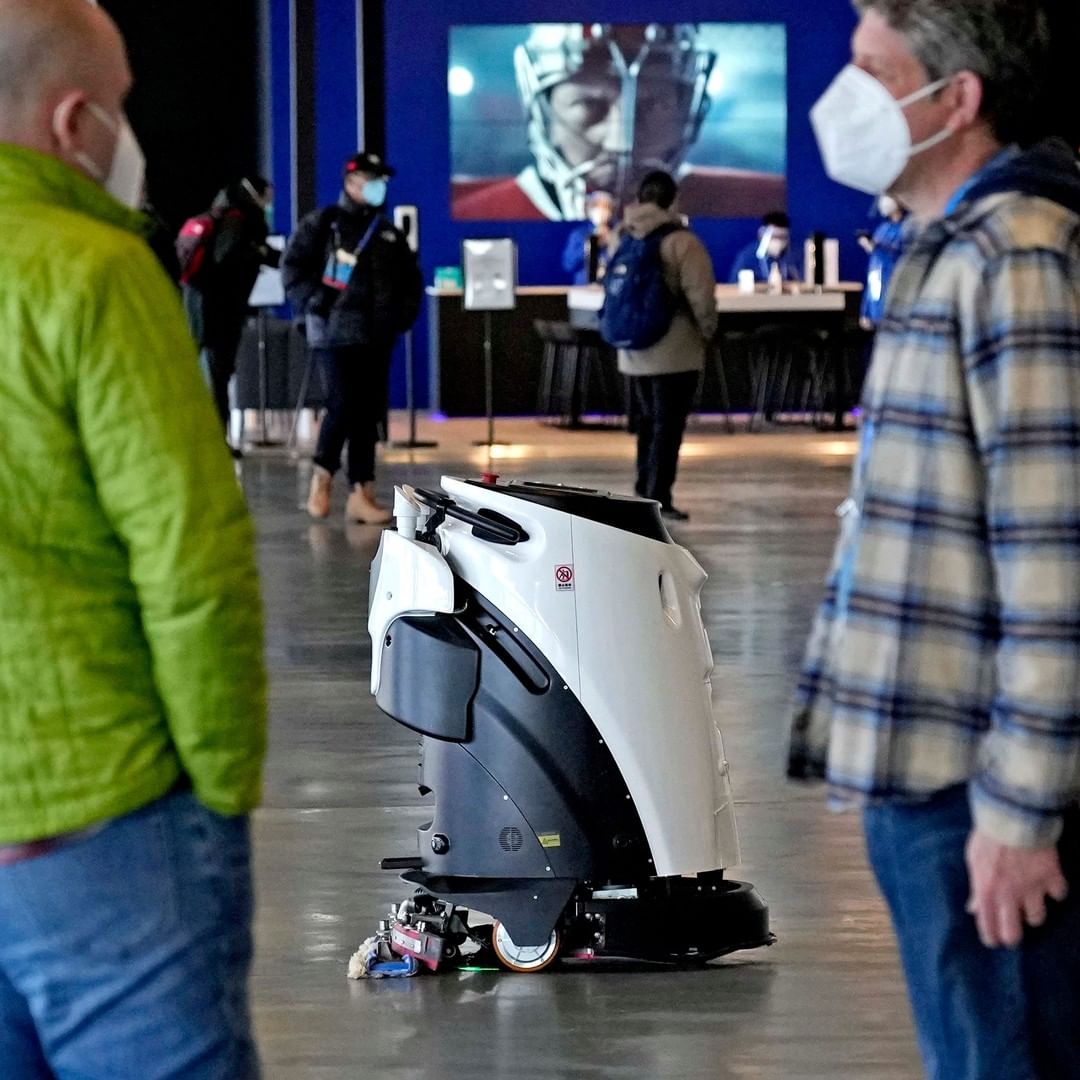
Games organizers in Beijing are taking coronavirus precautionary measures to new heights. For a start, athletes, coaches, observers and media are separated from "mainland China" by a closed-loop Olympic bubble that cordons them off from the outside world.
Most participants arrive in China on special charter flights and enter the loop as soon as they land. Their experiences of China will probably be limited to the airport, a hotel room and Olympic venues, which are connected by a closed transportation system that includes buses, taxis and high-speed trains.
There is mandatory daily coronavirus testing, the closed loop is enforced by guarded fences and Beijing police warned locals to stay away from Olympic vehicles even in the event of an accident. There are no international spectators, and organizers have been coy on how many, if any, locals will be allowed to attend.
Tickets are distributed via organizations affiliated with China's Communist Party. The Chinese authorities requested that spectators and teammates clap rather than shout when they want to cheer on athletes, hoping that will cut down on the spread of the virus.
Participants can't leave their hotel room or accommodation without scanning a pass and waiting for a green code to confirm they've had a negative coronavirus test result within the past 24 hours. Those who test positive will be sent to special isolation shelters.
#2022winterolympics