
Date uploaded: 2021-12-26 13:25:02
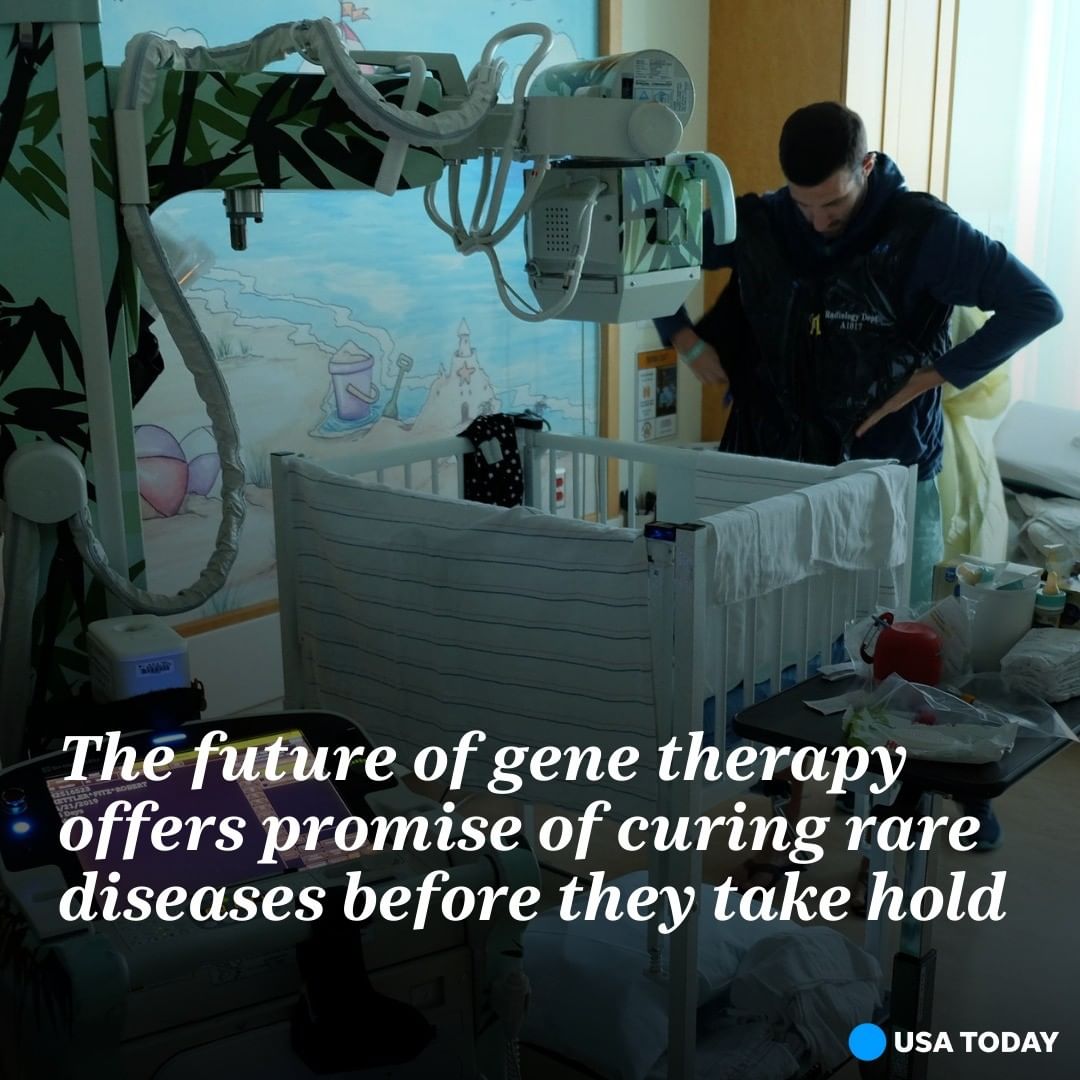
Fitz Kettler was born June 21, 2019, without a functioning immune system.
Babies with his condition, commonly known as "bubble boy disease," rarely survive to toddlerhood. Normal colds and germs prove lethal. But Fitz was seemingly cured before his first sniffle.
He became one of the first babies anywhere to get a specific diagnosis within days of birth and an experimental therapy several months later that appears to have worked. He's now a "permanently happy," extremely cute and very typical 2-year-old, who loves to run barefoot, mop the floor and assert his independence. "Fitz do it!" is his favorite phrase.
His story offers a glimpse into the future for rare inherited diseases.
Like Fitz, a newborn could be diagnosed shortly after birth, or even before, with effective treatment begun in time to prevent irreversible damage – the only evidence of illness, a note in a medical chart.
In the coming years, scientists hope to end a number of illnesses that have caused misery for generations – sickle cell disease, cystic fibrosis, hemophilia, PKU and a host of lesser known conditions – at least in places and among people who can afford state-of-the-art care.
"It's a wonderful time in gene therapy," said Harvard geneticist George Church, a pioneer in genetic sequencing and editing.
Tap the link in bio to read the full story by Karen Weintraub. Photos courtesy of Rady's Children Hospital.