
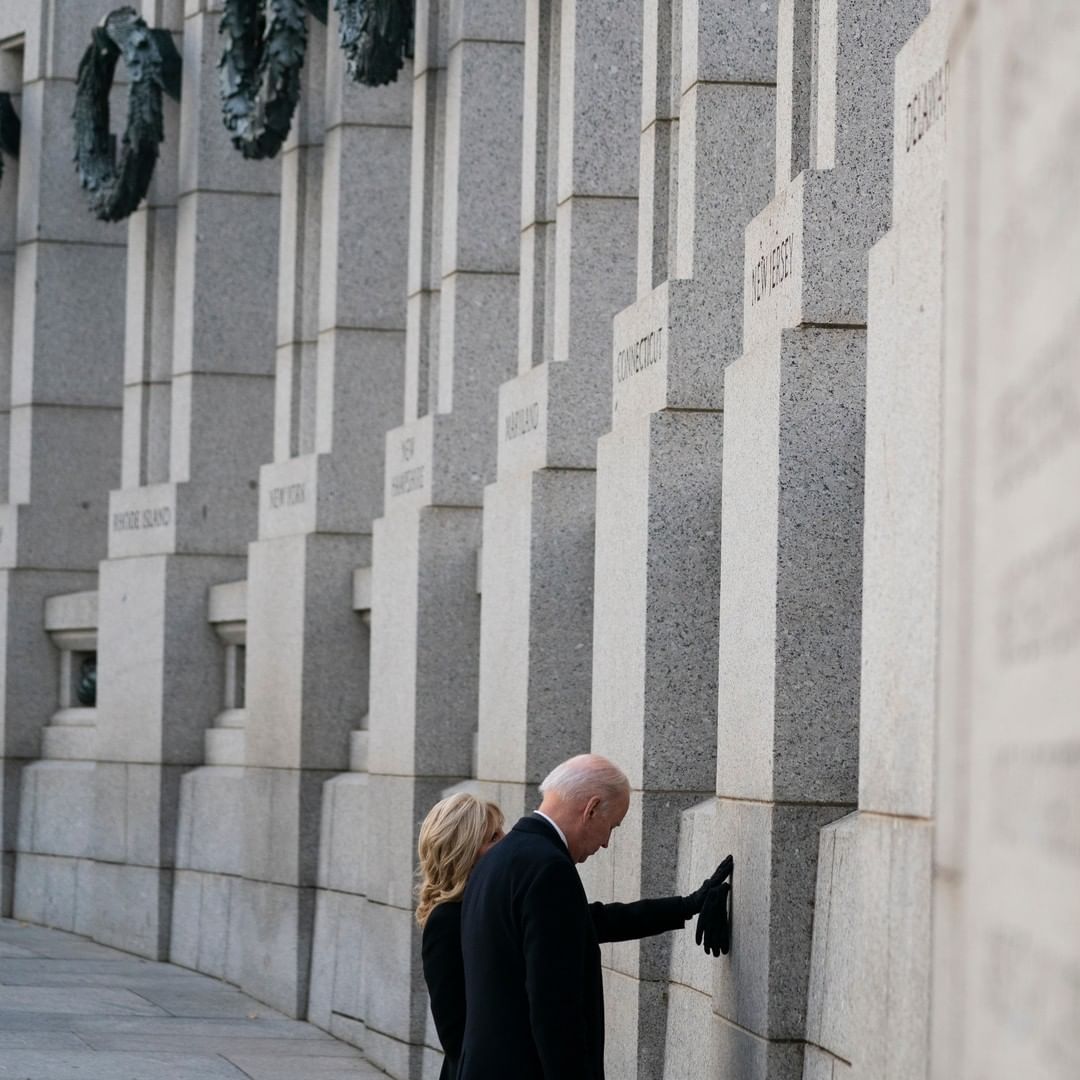
Date uploaded: 2021-12-07 20:10:36
When Hundreds of Japanese planes bombed American service members and civilians on U.S. soil on Dec. 7, 1941 – killing more than 2,400 – America was an "isolated, quiet, withdrawn" nation said Craig Nelson, author of the 2016 book "Pearl Harbor: From Infamy to Greatness."
The events of that day, dubbed "a date which will live in infamy" by then-President Franklin D. Roosevelt, launched America's involvement in World War II, beginning decades of growing global U.S. influence.
The date will be observed at Hawaii's Pearl Harbor National Memorial with multiple events, including a ceremony for the 429 USS Oklahoma crew members killed in the attack.
Each year, the National Memorial marks Pearl Harbor Remembrance Day by commemorating how "December 7 was a catalyst that led to a changed world." This year, the memorial is focusing on the "long and difficult road to peace" and highlighting "the importance of the peace that brought reconciliation," according to its website.
Ceremonies this week will be the first in-person events to commemorate Pearl Harbor since the start of the COVID-19 pandemic. The National Park Service said it's trying to minimize veterans' potential exposure to the coronavirus. This year, masks are required in all areas regardless of vaccination status, including when social distance is maintained.
"This year is not going to be as big as years in the past," National Park Service program specialist Emily Pruett told USA TODAY.
Even with yearly memorials, collective understanding of Pearl Harbor is slipping, Nelson said. In 2021, most Americans probably don't realize how large a shift the attack prompted in culture and society for the individual American, Nelson said.
“If you lived before Pearl Harbor, you would feel more comfortable going back to the Revolutionary War era than you would moving to the era now," Nelson said.
To read more, visit the link in our bio.
#pearlharbor