
Date uploaded: 2021-10-09 22:56:23
Students adjusting to another school year disrupted by COVID-19 also face a different kind of public-health threat: record gun violence.
Between Aug.1 and Sept. 15, at least 30 instances of gunfire occurred on U.S. school grounds, according to data from the nonprofit Everytown for Gun Safety. The shootings killed five people and wounded another 23.
These incidents, among many others, are a reminder that schools ought to explore a suite of preventative measures that prioritize mental health, according to Frank Kitzerow, the police chief for Florida’s Palm Beach County School District.
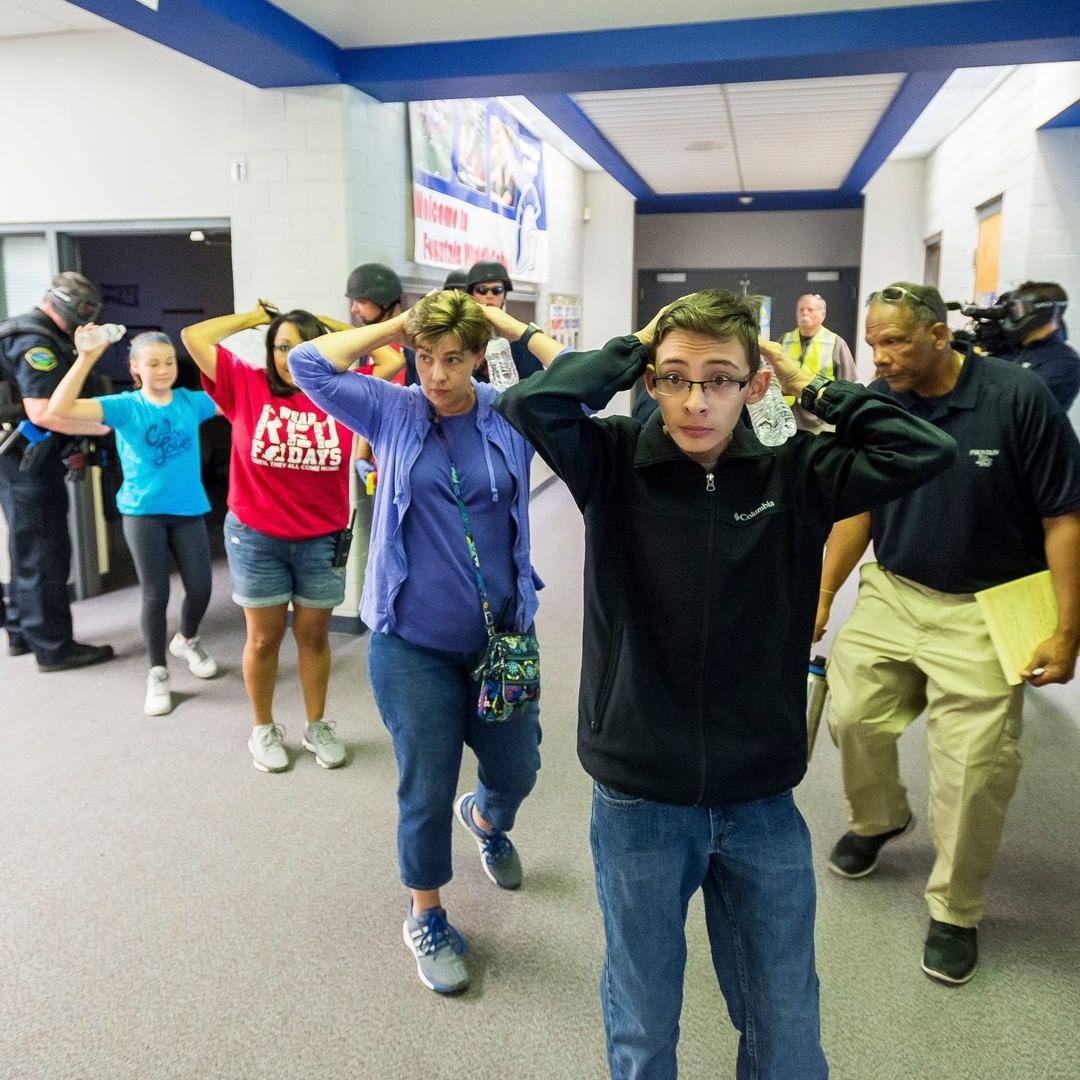
Yet reactive, potentially traumatizing practices such as active shooter drills have grown in popularity.
In the most extreme version of these drills, the school stages an active shooting unannounced, leading students to believe they’re actually under attack. Research shows an association between the drills and significant, lasting increases in depression, stress and anxiety among students, parents and educators.
“As a high-school student, when we go through these drills, they’re really traumatizing – it’s hard for us to adapt to learning afterwards, for us to sit through the drill,” said Peren Tiemann, a volunteer with Lakeland High School Students Demand Action, a gun-control advocacy group in Oregon.
For Justin Funez, a University of Chicago student and volunteer with Students Demand Action, an organization that works to end gun violence, reforms should also extend beyond school grounds.
“How can you do your homework if you’re worried about that?” Funez posed. “How many clubs can you actually participate in if you know you have to be home before” the gunfire erupts?