
Date uploaded: 2021-10-07 15:30:57
Want your kids to go to a great school? You might have to move.
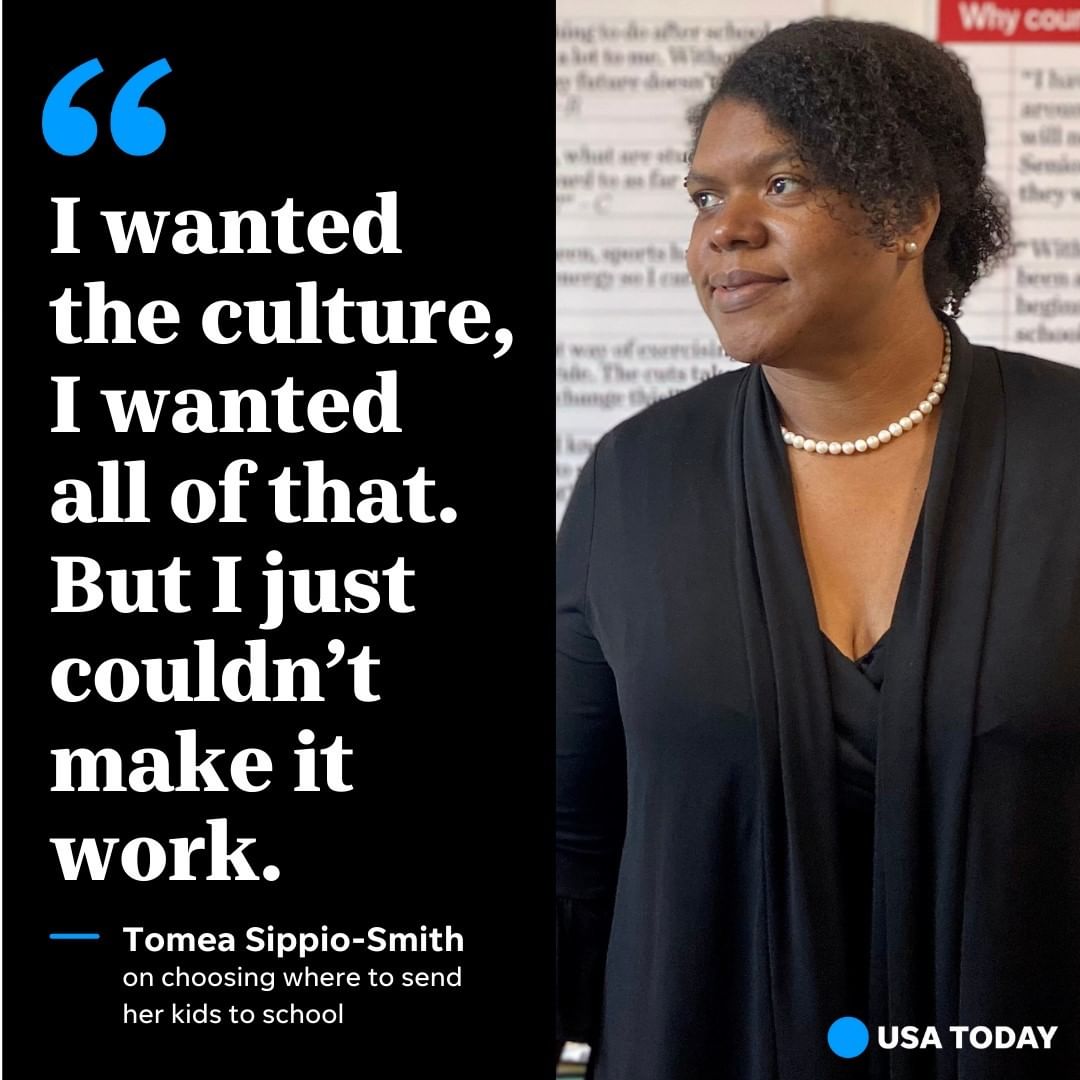
Tomea Sippio-Smith works in Philadelphia but lives in a small, predominantly white suburb outside the city, just so her own children can attend better-funded schools. She wishes they could live in Philadelphia proper so that her children could attend its public schools and be around more Black and brown students.
But she struggled to justify the risk of putting them in asbestos-riddled classrooms where basic services aren't always guaranteed.
The geographic lines that separate districts wouldn’t matter if taxpayer money and affordable housing were spread equally. But they’re not. In fact, districts that sit right next to each other often have vastly different levels of both housing and funding.
That means kids are segregated. And in many cases, according to new research by Bellwether Education Partners provided exclusively to USA TODAY, that’s the goal.
In fact, it's all part of what Bellwether, a Boston-based think tank, refers to as "educational gerrymandering": when district boundaries are deliberately drawn – or at least maintained – to keep low-income students out of the most desirable schools.