
Date uploaded: 2021-09-03 22:03:45
The urban-rural population divide is a fissure growing wider each decade.
While America’s cities and suburbs grew over the last decade, its rural areas continued a multi-decade trend of population losses, census data released this month show.
The new data paint a more diverse picture of the country's rural communities and punctuate the vulnerability where the urban-rural divide is growing. The U.S. Census Bureau has warned that comparing race data between the 2020 and 2010 census "should be made with caution" because of changes in the way it asked questions and later analyzed the data in the latest decennial count.
Ramifications from the shift don't stop at America's rural borders. They will be felt in state capitols and in Washington, D.C., as states use the data to draw new state legislative and congressional boundaries.
In the jigsaw puzzle of America, rural counties account for the majority of the 3,143 pieces. But the 46 million people who live in those places represent only about 13.7% of the U.S. population.
And it’s getting smaller.
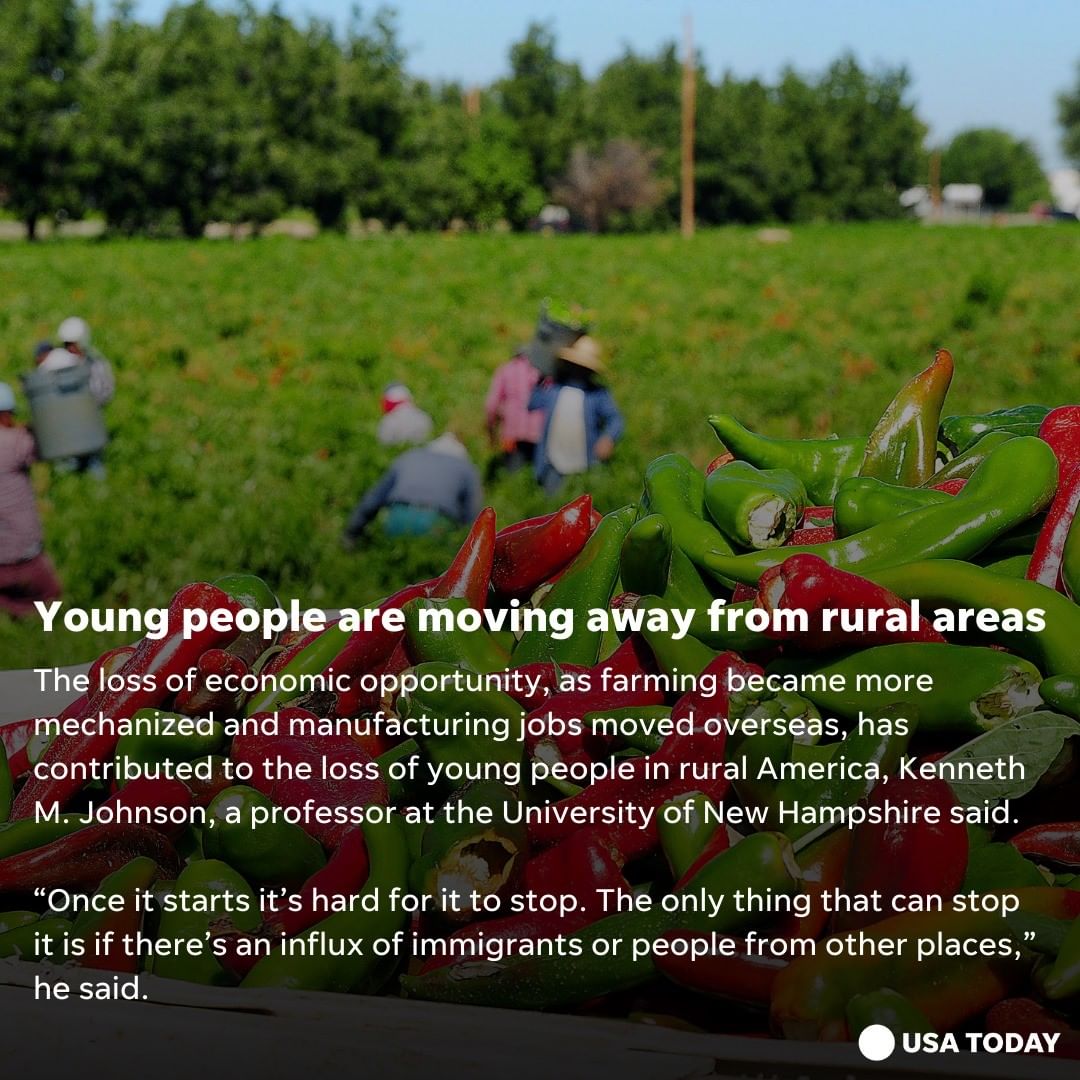
Two-thirds of America’s rural counties lost population between 2010 and 2020, a USA TODAY analysis of census data released last month shows. Of the one-third that grew, most were buoyed by a faster-growing minority population.
The population divide between rural and urban counties is greatest in the large urban and suburban counties that were the biggest drivers of population growth in the 2020 census.