
Date uploaded: 2021-08-19 20:12:05
Since Aug. 14, the U.S. has evacuated more than 7,000 people from the country. The State Department estimates as many as 60,000 people may be eligible for special immigrant visas out of Afghanistan.
One of those that recently fled was a former Afghan interpreter for the U.S. military, Z. He agreed to speak with USA TODAY on the condition of anonymity. USA TODAY is not sharing Z's identity out of concern for the safety of his family still in Afghanistan.
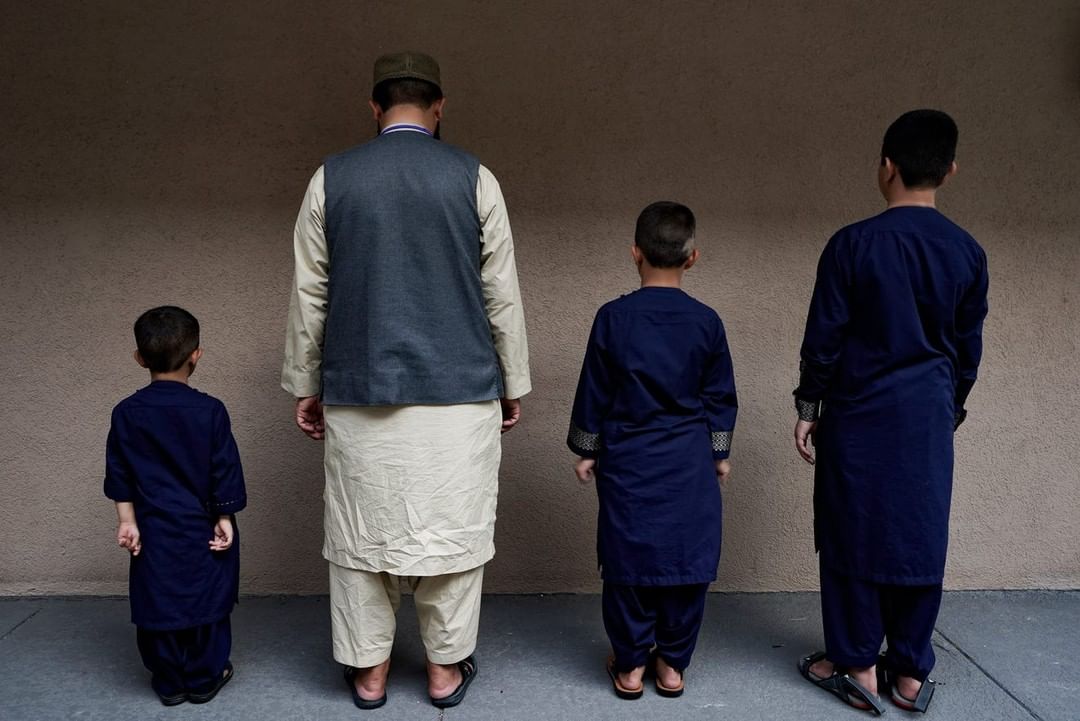
The 36-year-old is one of the few thousand Afghan interpreters who have escaped. He arrived in the U.S. with his wife and children, ages 4 to 14. His life, intimately shaped by U.S. involvement in Afghanistan, now continues in a nation he has long believed in.
Z served as an interpreter for U.S. forces in Afghanistan starting in 2004, when he was 19 years old. Like thousands of young Afghans, he was driven by a sense of patriotism and optimism about what Afghanistan may look like after Taliban rule.
Since 2001, at least 71,000 civilians have been killed in Afghanistan as a direct result of the war, including in Taliban attacks on towns and U.S. airstrikes, according to the Costs of War Project. Thousands more have died from improvised explosive devices strewn on roads and in towns, or from famine and other effects of the war.
After 13 years of waiting to flee the country, Z and his family were finally provided safe passage mere hours before the Afghan government collapsed. He still feels protected and optimistic for the future.
"I'm feeling safe over here. I'm feeling good," he assured. "So I'm very happy with the government of the U.S. that they took us over here in the States."
The safety they now feel is immeasurable but does not mask the life they left behind. Z owned two homes in southern Afghanistan and became a business owner after stopping work as a U.S. interpreter.
"I had a good life there," he said. "But there was no security."
Photo by Jessica Koscielniak via USA TODAY