
Date uploaded: 2021-07-21 21:27:49
When the Supreme Court agreed in May to hear a challenge to Mississippi’s ban on most abortions after 15 weeks of pregnancy, many saw it as a decisive move in the decades-long effort to overturn Roe v. Wade.
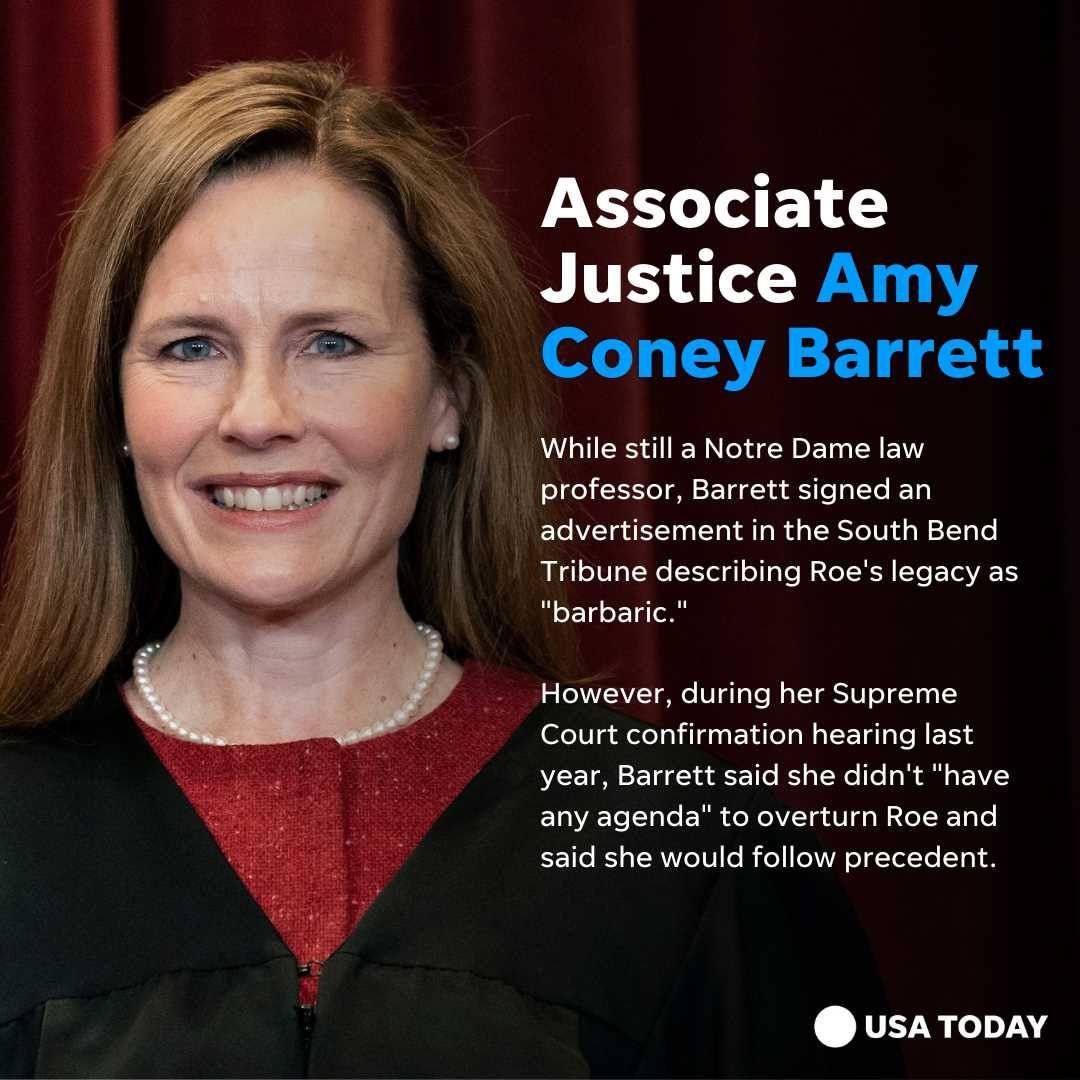
Though that remains one possible outcome, many of the high court's most significant decisions in recent months underscore that its six-justice conservative majority does not always operate in lockstep. A look at some of their past opinions and statements on abortion offers a more nuanced view that complicates pat predictions.
The Mississippi case, which the court could hear as early as November, will probably be the most closely watched on its docket in the next year – generating frenzied debate on one of the nation's most polarizing social issues before the 2022 midterm election. Unlike other disputes, the suit raises fundamental questions about the right to abortion.
"I don't know if there's a path to uphold the Mississippi law without reconfiguring abortion rights at least a little bit," said Neal Devins, a law professor at William & Mary Law School. But "I see no prospect for Roe being overturned."
Roe concluded that women have a right to an abortion during the first and second trimesters but that states could impose restrictions in the second trimester. Two decades later, the court upheld that right but overturned the trimester framework and allowed states to ban most abortions at the point of viability, when a fetus can survive outside the womb – roughly 24 weeks. Pre-viability bans in conservative states are intended to challenge the court's precedent in those two cases.
#supremecourt #abortion #roevwade