
Date uploaded: 2021-06-26 18:16:11
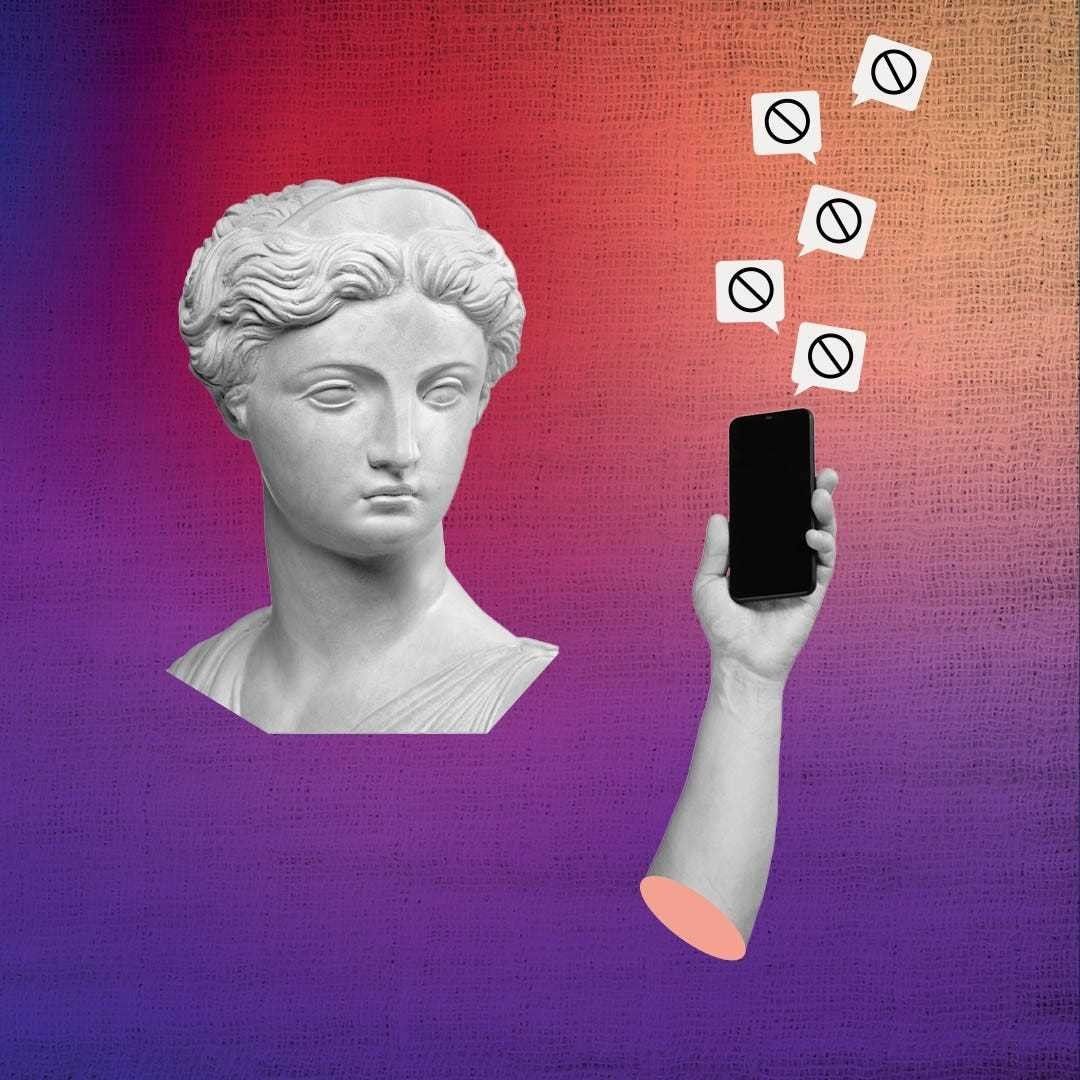
To cancel or not to cancel? That is the question.
Public figures have increasingly confabulated "cancel culture" or been "canceled" themselves in recent years. Bill Cosby? Canceled. Harvey Weinstein? Canceled.
And it's not just criminal offenders. Everyone from Billy Bush to Chrissy Teigen and Billie Eilish has been subject to "cancellation" based on past mistakes or actions, ranging from accusations of bullying, misogyny, racism and more.
The political right has maligned "cancel culture," lamenting what they perceive as the left seeking political correctness over small missteps.
But when we say "cancel," what do we actually mean? If we mean someone should be held accountable shouldn't we say that instead?
Experts say referring to "cancel culture" as "accountability culture" would help hold people accountable for their wrongdoings – but actions speak louder than words. And altering the term comes with consequences of its own – doing so bows to pressure from those misusing it in the first place.
Reasons for cancellations vary widely. Chrissy Teigen was "canceled" for her history of cyberbullying, while Weinstein and Cosby are convicted sex offenders. But social media values outrage over nuance.
#cancelculture #cancel #accountability #chrissyteigen